.jpg)
Top Bluegill Baits for Unmatched Fishing Success

When it comes to fishing for bluegill, having the right bait can make all the difference. Bluegill are known for their aggressive bites and willingness to strike at a variety of offerings, but selecting the best bluegill lures can significantly increase your catch rate. Whether you are a beginner or an experienced angler, understanding which baits work best and how to use them effectively will help you enjoy more productive fishing trips.
Understanding the Best Bluegill Lures for Your Next Trip
Choosing the best bluegill lures involves knowing what attracts these fish in different conditions. Bluegill are opportunistic feeders, often found near vegetation, docks, or submerged structures. Their diet includes insects, small crustaceans, and tiny fish, so lures that mimic these natural food sources tend to work well.
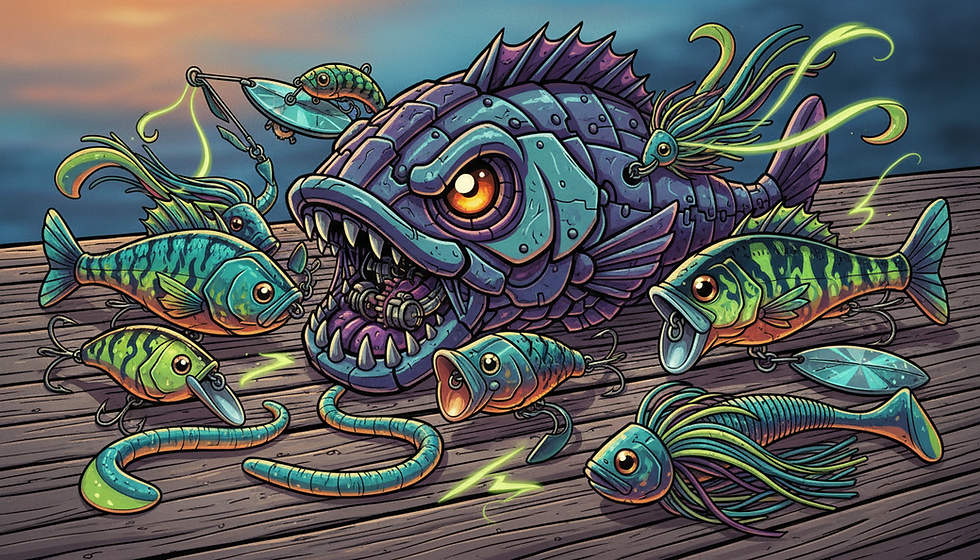
Some of the top bluegill lures include:
Small jigs: These are versatile and can be tipped with live bait or soft plastics. Sizes between 1/64 to 1/16 ounces are ideal.
Soft plastic grubs: Tail-wagging action imitates small aquatic creatures.
Spinnerbaits: The flash and vibration attract bluegill from a distance.
Crankbaits: Miniature crankbaits that mimic small baitfish can trigger aggressive strikes.
When selecting lures, consider the water clarity and depth. Bright colors like chartreuse, white, and orange work well in murky water, while natural colors like brown and green are better for clear water.
How to Use the Best Bluegill Lures Effectively
Using the best bluegill lures is not just about the lure itself but also how you present it. Here are some tips to maximize your success:
Slow and steady retrieve: Bluegill often respond well to a slow, steady retrieve that mimics the natural movement of prey.
Pause and twitch: Adding pauses and twitches during retrieval can entice bites from hesitant fish.
Fish near cover: Cast near lily pads, fallen trees, or docks where bluegill like to hide.
Use light tackle: A light spinning rod with 2-6 lb test line allows for better sensitivity and more natural lure action.
Match the hatch: Try to match the size and color of the local forage to increase your chances.
Experimenting with different retrieval speeds and lure colors can help you find what works best on any given day.
Do Bluegill Go for Lures?
Yes, bluegill definitely go for lures, and many anglers prefer using artificial lures because they are convenient and reusable. Bluegill are aggressive feeders and will strike at a variety of lures, especially those that mimic their natural prey.
Popular lure types for bluegill include:
Micro jigs: These tiny jigs are perfect for bluegill’s small mouths.
Soft plastics: Worms, grubs, and creature baits in small sizes are very effective.
Spinners and spoons: The flash and vibration can attract bluegill from a distance.
Fly fishing lures: Small flies that imitate insects can be irresistible to bluegill.
Using lures allows anglers to cover more water and target specific areas where bluegill are hiding. Additionally, lures can be easier to cast and control compared to live bait, making them a favorite choice for many.
Top Natural Baits That Work Wonders for Bluegill
While lures are effective, natural baits remain a top choice for many anglers targeting bluegill. These baits closely resemble what bluegill eat in the wild and can trigger aggressive strikes.
Some of the best natural baits include:
Worms: Nightcrawlers and red wigglers are classic bluegill baits.
Crickets and grasshoppers: These insects are a favorite food source.
Mealworms: Easy to use and very effective.
Small minnows: Great for larger bluegill or when fishing in deeper water.
Using natural bait on a small hook with a light line and float can be very productive, especially in calm waters or when fish are less aggressive.
For those interested in exploring high-quality options, check out this resource on bluegill baits to find premium selections designed specifically for bluegill fishing.
Tips for Choosing the Right Bluegill Bait Based on Conditions
Selecting the right bait depends on several factors including water temperature, clarity, and time of day. Here are some practical tips:
Warm water: Bluegill are more active and aggressive, so bright-colored lures and live bait like worms work well.
Cold water: Use smaller, slower-moving lures or natural baits to entice sluggish fish.
Clear water: Opt for natural colors and subtle presentations.
Murky water: Bright, flashy lures or baits with scent attract more attention.
Early morning or late evening: Use baits that mimic insects, as bluegill feed heavily during these times.
By adjusting your bait choice to the environment, you increase your chances of a successful catch.
Enhancing Your Bluegill Fishing Experience
To get the most out of your bluegill fishing trips, consider these additional tips:
Use polarized sunglasses: They help you see underwater structures and fish.
Fish during spawning season: Bluegill are more aggressive and easier to catch.
Keep your gear light and simple: This allows for better control and less fatigue.
Practice catch and release: Helps maintain healthy bluegill populations.
With the right bait, technique, and mindset, bluegill fishing can be both fun and rewarding.
By understanding the best bluegill lures and how to use them, you can enjoy unmatched fishing success. Whether you prefer artificial lures or natural bait, the key is to match your approach to the conditions and the fish’s behavior. Experiment with different options, and you will soon find the perfect combination that works for you. Happy fishing!


Comments